

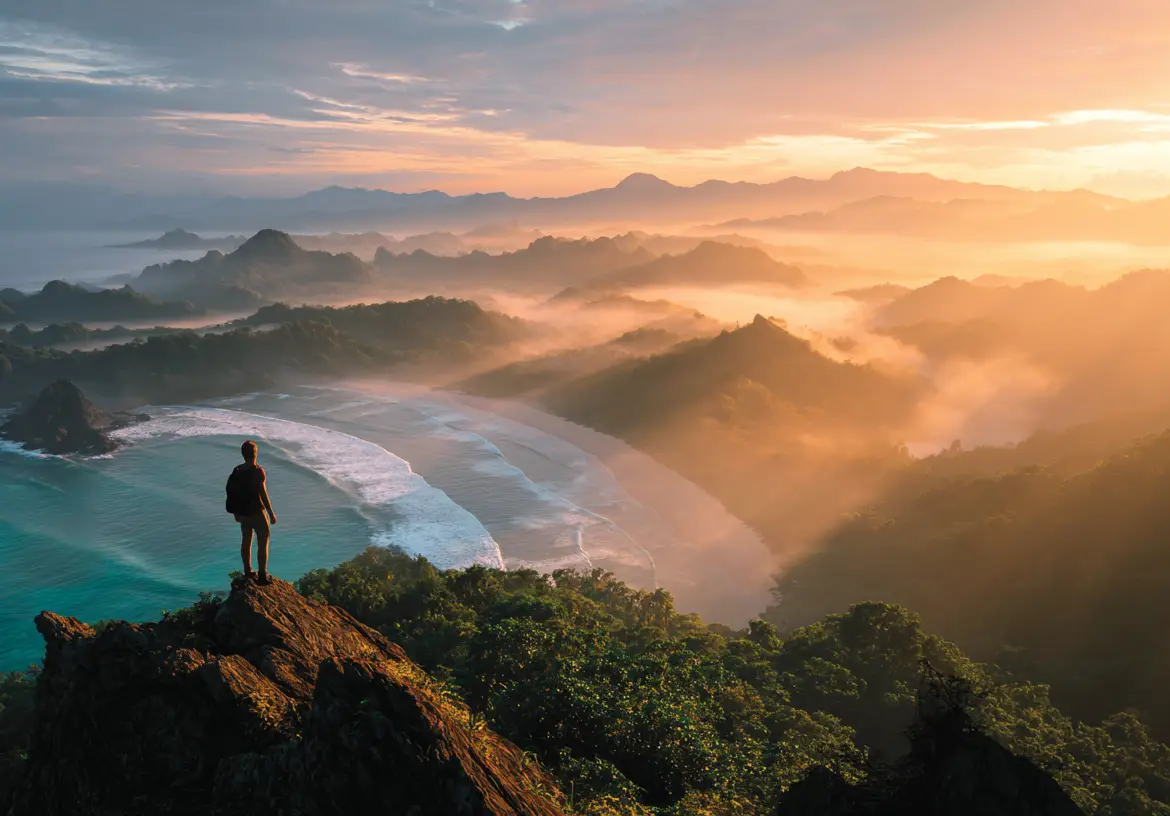
Beyond the Beach: Why -Transformative Travel- is the 2025 Trend Your Soul (and the Planet) Needs

Forget fleeting getaways. The future of travel isn’t just about escaping—it’s about evolving. In 2025, a powerful new trend is reshaping how we explore the world: transformative travel. This movement goes beyond simply seeing new places; it’s about deeply connecting with destinations, leaving a positive impact, and returning home with a renewed sense of purpose. For conscious travelers, this means seeking out experiences that are not only Instagram-worthy but also soul-stirring and sustainable.
The data backs this shift. A growing number of travelers, particularly Millennials and Gen Z, are prioritizing meaningful and eco-conscious journeys. They are actively seeking out destinations that offer more than just luxury, but a genuine connection to nature and local communities. This has given rise to several interconnected micro-trends that define the transformative travel experience.
Regenerative Stays: Leaving a Place Better Than You Found It
The new frontier of eco-tourism is regenerative travel. The core idea is simple yet profound: your visit should actively contribute to the well-being of the local ecosystem and community. This goes beyond simply minimizing your footprint. Think less “leave no trace” and more “leave a positive trace.”
Travelers are increasingly choosing accommodations and tours that are deeply integrated with their natural surroundings. This could mean staying in a villa powered by solar energy, participating in a local reforestation project as part of your trip, or choosing a resort that actively supports local artisans and farmers. These experiences not only feel good but also foster a deeper appreciation for the destination.

Wellness in the Wild: Healing Through Nature
The wellness industry has officially packed its bags and headed outdoors. In 2025, wellness travel is less about sterile spa rooms and more about immersive, nature-based healing. The focus is on holistic well-being—caring for the mind, body, and spirit in a natural setting.
Popular experiences include:
- Digital Detox Retreats: Swapping screen time for birdsong and breathtaking views. These escapes are designed to help you disconnect from the digital world and reconnect with yourself.
- Forest Bathing (Shinrin-yoku): A Japanese practice of mindful immersion in a forest environment, proven to reduce stress and boost immunity.
- Yoga and Meditation in Nature: Practicing mindfulness against a backdrop of mountains, oceans, or lush jungles.
These nature-centric wellness experiences offer a profound sense of peace and rejuvenation that a traditional vacation often can’t match.

The Rise of the Conscious Nomad: Working from “Home” in Nature
The digital nomad revolution is evolving. With more countries offering long-term visas for remote workers, a new breed of “conscious nomads” is emerging. These individuals aren’t just looking for a place with good Wi-Fi; they are seeking destinations that offer a high quality of life, a strong sense of community, and a deep connection to the natural world.
For the conscious nomad, the ideal “office” might be a villa with a view of a volcano, a beachfront bungalow, or a cabin nestled in the mountains. This lifestyle allows for a more intentional and slower pace of travel, fostering a greater understanding and appreciation of their temporary home.
Authenticity is the New Luxury
Ultimately, the driving force behind these trends is a collective desire for more authentic travel experiences. Today’s luxury is not about opulence for its own sake, but about rare and genuine moments of connection. It’s about savoring a meal made with ingredients from a local garden, learning a traditional craft from a village elder, or simply watching the sunset from a secluded, pristine beach.

In 2025, the most sought-after destinations will be those that offer a true sense of place, a commitment to sustainability, and an opportunity for personal growth. So, as you plan your next adventure, consider looking beyond the typical tourist trails. The most unforgettable journeys are often the ones that transform you.
Your Transformative Travel Questions, Answered (Q&A)
Q1: What exactly is “transformative travel”?
Transformative travel is a journey taken with the intention of personal growth and making a positive impact. Unlike traditional tourism, which often focuses on sightseeing, this approach emphasizes deep connection—with yourself, with the local culture, and with the natural environment. The goal is to return home with a new perspective or a renewed sense of purpose.
Q2: How is regenerative travel different from sustainable travel?
Sustainable travel aims to minimize the negative impacts of tourism, essentially striving to “leave no trace.” Regenerative travel takes this a step further. It’s an active approach that seeks to leave a place better than it was before your visit. This could involve participating in local conservation efforts, supporting businesses that restore the ecosystem, or contributing to the economic well-being of the local community.
Q3: Does transformative travel have to be expensive?
Not necessarily. While many wellness retreats or eco-lodges are in the premium category, the core of transformative travel is about your mindset, not your budget. It’s about making conscious choices. You can have a transformative experience by staying in a community-run guesthouse, volunteering for a day, or simply spending your money at local businesses rather than large international chains. The value lies in the richness of the experience, not the price tag.
Q4: How can I find accommodations that are genuinely regenerative and not just “greenwashing”?
This is a great question. Look for properties that are transparent about their practices. Do they detail their energy and water sources? Do they explain how they support their local community and staff? Look for recognized certifications like B Corp, Green Globe, or EarthCheck. Most importantly, choose platforms and providers—like Natural Villas—that curate their collections based on a strong commitment to sustainability and authentic experiences.
Q5: What are some popular destinations for this type of travel?
Destinations known for their stunning natural beauty and commitment to conservation are leading the way. Think of places like Costa Rica, a global leader in ecotourism; Bali, Indonesia, with its deep spiritual and wellness culture; the Nordic countries (like Norway and Finland), known for their connection to nature and sustainable living; and New Zealand, with its breathtaking landscapes and focus on preserving Maori culture.