

From Mountains to Sea: A Soulful Temple Journey in Chiang Mai, Rayong, Koh Samet & Jomtien
I arrived in the kingdom of temples seeking not just sights, but insight. In the cool hush of dawn and under tropical sunsets, I wandered through sacred spaces in Chiang Mai, Rayong, Koh Samet, and Jomtien. Each stop became a chapter in a personal pilgrimage – a poetic, spiritual travel guide etched in incense smoke and temple bells. What follows is a memoir of that journey, blending emotional reflections with practical details, so you too can experience the best temples in Chiang Mai, the hidden Buddhist temples in Rayong, the humble shrine on temples near Koh Samet, and the uplifting cultural experiences in Jomtien. Let’s begin our passage from the misty northern hills to the azure southern shores, heart open and shoes off.
Chiang Mai: Land of Lanna Temples and Mountain Miracles
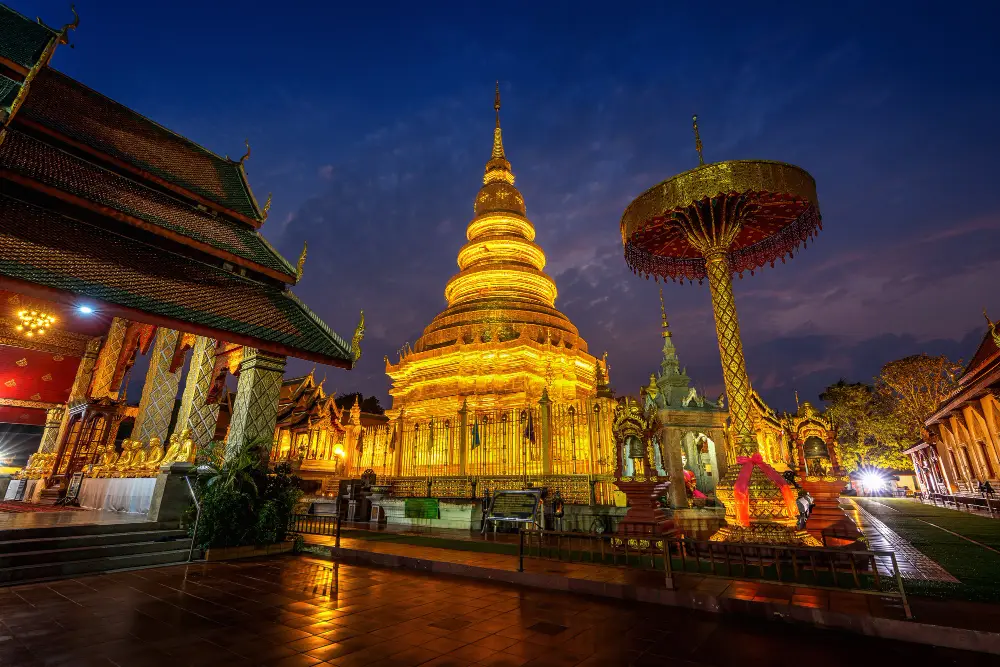
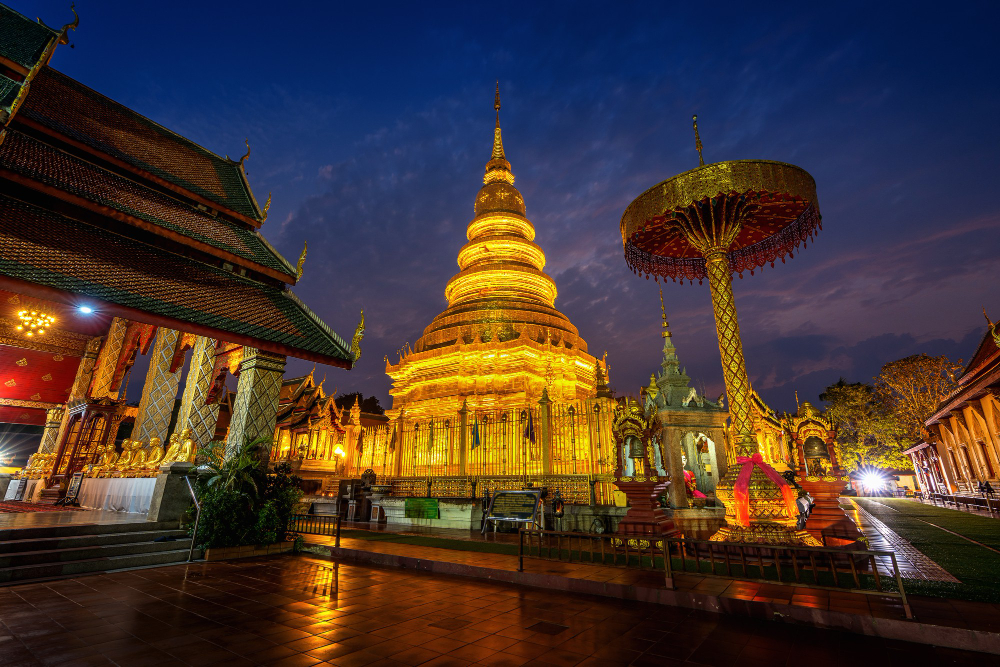
Chiang Mai wraps me in a gentle embrace of Lanna heritage as I step barefoot into its revered wats (temples). In the predawn twilight, I join a few pilgrims winding up the 309 steps of the Naga staircase towards Wat Phra That Doi Suthep, one of the best temples in Chiang Mai perched high above the city (Wat Phra That Doi Suthep – Wikipedia). Each step, flanked by the emerald scales of mythical serpents, feels like ascension out of time. At the summit, the world awakens: the sun breaks over misty mountains, gilding the temple’s 24-meter golden chedi (stupa) in a gentle glow. Monks in saffron robes file past silently, and I press my palms together in a wai, breathing in cool mountain air mixed with the faint aroma of lotus and incense. Inside the courtyard, I hear the soft ting of a bell in the breeze and the murmur of a morning chant. The golden chedi before me – the holiest heart of the complex – gleams brilliantly, encircled by statues and sacred relics. From the edge of the terrace, Chiang Mai’s patchwork of old city walls and modern streets lies far below, a view earned by devotion and 309 careful steps. In this moment, I feel both tiny and infinite, as if the mountain itself is teaching me to be humble and aware.
Back in the old walled city of Chiang Mai, I meander through quiet sois (lanes) to Wat Chedi Luang, another of Chiang Mai’s best temples with a very different atmosphere. Here, ancient bricks whisper history: the temple’s massive stone chedi was partially ruined by an earthquake centuries ago, yet it remains imposing and sacred. I circle the crumbling Lanna-era stupa in awe – once home to the Emerald Buddha – and admire how nature and reverence coexist (a leafy bodhi tree sways gently at one corner, believed to be a descendant of the tree under which the Buddha attained enlightenment). As I wander, a friendly university student invites me to a “monk chat” under a shady pavilion – an informal chance for visitors to speak with young monks eager to practice English. We sit cross-legged on woven mats as golden-robed monks answer my questions about meditation and daily monastic life. The conversation is lighthearted yet profound; I find myself sharing my own life uncertainties and receiving gentle words in return. By the time I leave, the afternoon sun is slanting through the temple gate, and I feel I’ve made new friends and found new perspectives. The experience is quietly transformative – proof that travel’s greatest gifts are often the human connections.
In Chiang Mai, spirituality is part of the city’s fabric. Wat Phra Singh, with its gleaming golden roofs and revered Lion Buddha, offers another pocket of peace. Arriving during the soft glow of late afternoon, I join locals lighting candles and kneeling in prayer. The scent of frangipani flowers drifts through the courtyard. I notice how even backpackers slow down here, drawn into the rhythm of respect – removing shoes, bowing heads, letting the sacred ambience soften their voices. Each temple teaches me something: patience at Wat Phra Singh’s monk-blessing ceremony, where I wait my turn to be sprinkled with holy water; resilience at Wat Chedi Luang’s proud ruins; and joy at Wat Doi Suthep’s summit, where pilgrims smile as wide as the horizon. Chiang Mai’s temples are not just tourist sites – they are living, breathing sanctuaries that invite every visitor to pause and reflect amid their Lanna legacy.
Temple Tips for Chiang Mai
- Dress Code & Manners: Dress modestly at all temples – cover shoulders and knees, and avoid tight or revealing clothes. On temple grounds you must remove your shoes, and within the sanctuaries maintain a quiet, respectful demeanor. Refrain from pointing your feet toward Buddha images (sit or kneel with feet tucked behind you) and keep public displays of affection in check.
- Wat Phra That Doi Suthep: Open daily roughly 6:00 AM to 8:00 PM (go at dawn for serene atmospheres and sunrise views). A small entry fee of 30 THB is collected from foreigners, and there is an optional funicular tram for 20 THB if you prefer to ride instead of climbing the 309 steps. Try to visit during early morning or weekdays to avoid crowds, and listen for the evocative bell chimes and monk chants around 6:30 AM and 6:00 PM.
- Wat Chedi Luang: Open daily ~8:00 AM to 5:00 PM. Entry for international visitors is about 50 THB as of late 2024 (Wat Chedi Luang Varavihara, Chiang Mai – Tripadvisor) (which helps support temple maintenance). Evenings (~5:00 PM) often feature a monk chanting ceremony open to observers – a quietly moving experience if you attend. Women should note there is a small fenced area housing the “City Pillar” where they are traditionally not allowed inside (signs will indicate this), but all main areas are accessible to everyone.
- Other Notable Temples: Wat Phra Singh (open daily, modest attire required; entry by donation or ~20 THB) is famed for its Lai Kham chapel murals and the Phra Singh Buddha – visit by late afternoon to catch the monks’ evening prayers. Wat Umong, a forest temple outside the city center, offers meditation tunnels and a tranquil lakeside setting – a great spot for reflection, usually open until early evening. Hiring a songthaew (red truck taxi) or renting a motorbike are convenient ways to temple-hop around Chiang Mai’s spread-out sites.
- Meaningful Experience: To deepen your experience, consider joining a Monk Chat program (usually offered in afternoons at Wat Chedi Luang or Wat Srisuphan). It’s a unique chance to have a personal conversation with a monk – exchanging cultural perspectives and even learning a bit about Buddhist philosophy in a very casual setting. Also, give alms at dawn: if you wake early, you might see lines of monks walking quietly along the streets of the Old City at sunrise – offering a small packet of rice or fruit and receiving a blessing in return can be a humbling way to start your day.
Rayong: Coastal Serenity at Buddhist Temples in Rayong
Sunrise finds me trading Chiang Mai’s mountains for the gentle shores of Rayong, a province on the Gulf of Thailand known for its quiet beaches and fishing villages. Far from the typical tourist trail, I discover that Buddhist temples in Rayong hold a humble charm that touches my heart in unexpected ways. In downtown Rayong, I wander into Wat Pa Pradu, a centuries-old sanctuary dating back to the Ayutthaya period (Wat Pa Pradu (2025) – All You Need to Know BEFORE You Go (with …). The midday heat shimmers off the red clay roof as I step into the temple yard, where a few locals are offering incense and flowers. The atmosphere is relaxed and intimate – a grandmother shows her young grandson how to press his palms and bow before the altar, while a vendor outside quietly ladles sweet coconut soup to sell to worshippers after their prayers. I feel like I’ve entered a close-knit community’s spiritual home.
Wat Pa Pradu’s main chapel houses something truly unique: a massive reclining Buddha image that stretches nearly 12 meters long and over 3.5 meters high, resting on its left-hand side rather than the typical right – an extremely rare pose. As I approach the serene statue, I’m struck by the Buddha’s gentle smile and the way the figure leans on its left elbow, gazing down benevolently. A resident nun notices my curious expression and kindly points out a legend (in Thai, which a friendly local translates for me): because the Buddha usually lies on his right side, this left-sided posture signifies a special blessing for this temple. Whether legend or history, the rarity of the image makes the moment feel special. I kneel and light a candle, joining others in a quiet wish for peace. Above us, a painted mural ceiling depicts lotus ponds and forest guardians, its colors faded by time. The temple was built in an era when this region was a trading port; I imagine how many generations of fisherfolk and merchants have come here seeking solace from the sea’s uncertainties.
Outside, I stroll through the compound’s shaded pathways. There’s a small museum hall displaying relics and old photographs of the temple’s past. The chatter of tropical birds mixes with the distant ringing of a gong signaling a prayer session. A monk in saffron robes sweeps fallen frangipani blossoms from the chapel steps – an everyday act of care that feels like meditation in motion. He pauses to smile and offer me a simple blessing string for safe travels. In Rayong’s unassuming temples, I don’t find grand spectacles or tourist fanfare; I find daily life uplifted by devotion. As I leave Wat Pa Pradu, I take a moment by the front gate where a weathered sign in Thai shares a Buddhist proverb about impermanence. I can’t read it fully, but I feel its truth in the gentle transience of the scene around me – incense smoke curling then disappearing, coconut soup cooling in its pot, the afternoon shadows lengthening across the temple yard. My journey continues, enriched by Rayong’s quiet grace.
Temple Tips for Rayong
- Wat Pa Pradu: This temple is located on Thanon Sukhumvit in Rayong City, easily accessible by foot or a short tuk-tuk ride from the downtown market. It’s generally open daily from early morning until around 5:00 PM (temples here follow the sun). No admission fee is required – visitors can make a donation if they wish. The highlight is the left-side Reclining Buddha (about 11.95 m long) inside the viharn (sanctuary). Photography is allowed but be respectful; avoid using flash when people are praying. Weekday mornings are a peaceful time to visit, as you might have the hall nearly to yourself aside from locals performing merit-making rituals.
- Dress & Etiquette: Even in coastal Rayong, temple etiquette remains traditional – have your shoulders and knees covered (carry a light scarf or sarong if you’re coming from the beach in shorts). Remove your shoes before entering any indoor areas of the temple. A little Thai goes a long way: a friendly “Sawasdee-ka/krub” (hello) with palms joined in a wai to the monks or elderly devotees will earn you warm smiles. And remember to speak softly; the ambiance at Wat Pa Pradu is quite tranquil, often with monks chanting or Dharma teachings playing softly over a speaker.
- Other Temples in Rayong: While Wat Pa Pradu is the most famous in Rayong city, you might also visit Wat Lum Mahachai Chumphon, near the city pillar, known for its beautiful ordination hall and garden, or Wat Lahan Rai (a bit outside the city) which is associated with a revered monk Luang Pu Tim. These are less about sightseeing and more about experiencing local faith. Each temple welcomes respectful visitors – often, you’ll find a local eager to share the story of their temple if you show genuine interest.
- Cultural Insight: Don’t be surprised if you’re the only tourist around. Embrace it! Use the opportunity to observe how locals practice Buddhism in daily life. If you visit in the early morning, you might catch residents bringing offerings to the monks for Tak Bat (alms giving). It’s a humbling cultural experience to witness or join – if you do participate, dress very modestly and purchase or prepare fresh food offerings (never alcohol or money) to hand to the monks. In return, you’ll receive a short blessing chant – a beautiful exchange of generosity and goodwill.
Koh Samet: Island Sanctuary Beneath Swaying Palms
After a short ferry ride over cerulean waters, I arrive on Koh Samet, an island paradise known for its white sand beaches and turquoise coves. It’s easy to get lost in the island’s carefree vibe – lazy sunbathing by day, beach barbecues by night. Yet, even here, beyond the palm-fringed shores, I find a quiet corner of spirituality. Tucked away near the northern end of the island (not far from the main Na Dan pier) stands Wat Koh Samet, a small Buddhist temple and monastery that many sun-seekers unknowingly pass by. I wander in one warm afternoon, sarong wrapped over my swimwear, drawn by the sound of distant gong strikes. At the simple gate, I’m greeted by an astonishing sight: a seven-meter tall white Buddha statue, smiling serenely at all who enter. The statue’s right hand is raised with the index finger curved gracefully inward – an unusual gesture that piques my curiosity. A couple of local islanders bow and light incense at the statue’s base, whispering prayers for safe travels and good fortune.
Inside the modest temple courtyard, coconut palms cast dancing shadows on the ground. Monks in orange robes move about slowly, tending to potted plants and a small turtle pond that shimmers green in the sunlight. There is a relaxed island pace even in their devotions. I step into the main sala (hall) where a golden Buddha image sits upon a wooden altar. The air is thick with the fragrance of incense and ocean breeze. I’m the only visitor at the moment, and the space feels intimate and alive – geckos chirp in the rafters and a sea wind rustles the prayer flags overhead. One of the younger monks catches my eye and offers a kind smile, gesturing for me to come over. With a gentle nod, he begins a simple blessing ritual: dipping a bundle of sacred leaves in water and sprinkling it lightly over my bowed head. I close my eyes; each droplet is cooling relief from the tropical heat and a token of grace. He then wraps a thin cotton sai sin (blessed string bracelet) around my wrist, tying it with a careful knot. For a small donation into the wooden box, I’m given not just this bracelet but a warmth in my chest – a feeling of being welcome and watched over on this little island far from home.
Outside, I take a leisurely walk around the grounds. A few chickens peck in the dirt near the monks’ living quarters, and colorful murals on a wall depict scenes from the Buddha’s life juxtaposed with island life (is that a monkey offering a coconut to a meditating monk? Yes, on Koh Samet even the art has a playful local twist). I find a shady spot under a banyan tree to sit and reflect. Visiting a temple was not on the typical “island itinerary” I overhear other tourists discuss – snorkeling, snorkeling, and more snorkeling – yet this spontaneous detour has become the soul of my trip here. It reminds me that no matter how idyllic the surroundings, the spirit also seeks nourishment. As I watch the late afternoon sun gild the white Buddha statue in soft light, I feel an immense gratitude. Temples near Koh Samet – whether this humble monastery on the island or the coastal shrines back on the mainland – offer a gentle reminder that paradise is not just a feast for the eyes, but for the spirit too. I leave Wat Koh Samet as the day’s last light paints the sky in tangerine hues, carrying a sense of calm that no beach cocktail could ever match.
Temple Tips for Koh Samet
- Wat Koh Samet: The island’s only significant temple is located near the main village (Na Dan) where the ferry arrives. It’s typically open during daylight hours, roughly 6:00 AM until around 6:00 PM – you can usually enter freely, though it’s polite to visit when monks are not in their midday rest period (avoid around lunchtime). There’s no entrance fee; however, donations are appreciated if you receive a blessing or simply to help maintain the grounds. Look for the large white Buddha statue at the entrance – at about 7 meters tall it’s hard to miss and makes a great photo op if you’re respectfully dressed.
- Dress & Etiquette: Coming off the beach, be sure to cover up appropriately before entering the temple. Throw on a T-shirt or blouse over swimwear and a sarong or longer shorts. Sand can be brushed off your feet at the water jars by the gate – clean feet and shoes off before you step inside any prayer hall. As always, be respectful when taking photos; it’s fine to capture the beauty of the Buddha statue and the grounds, but avoid photographing people in prayer without permission. If monks offer you a blessing or a string bracelet, receive it with a smile and a bow. It’s customary for men to accept items directly; women, if giving or receiving something from a monk, should place it on a tray or on the ground for the monk to pick up (to adhere to monks’ discipline of not touching women).
- Temple Etiquette on the Island: Life on Koh Samet is laid-back, and you may even see monks walking barefoot on the beach in the early mornings collecting alms. If you wish to participate in almsgiving on Koh Samet, ask your guesthouse or locals about the timing and route of the monk’s walk. Generally, just after sunrise, locals may offer food to the monk near the pier or along the main road. This can be a quietly beautiful cultural exchange to observe. Remember, even though you’re in a beach paradise, the temple is a place of worship first – keep your voice low, and your heart open. A few moments of meditation under the banyan tree here, with waves softly crashing in the distance, can be as rejuvenating as any dip in the ocean.
- Explore Nearby: If your spirit is hungry for more, temples near Koh Samet on the mainland are within reach. When you head back to Ban Phe (the pier town on the coast), consider stopping by a local shrine or two – for example, the Rayong City Pillar Shrine near the pier, or even returning to Wat Pa Pradu in Rayong if you haven’t yet. These mainland sites deepen the connection between the island and its cultural roots onshore, rounding out your experience of the region’s spiritual heritage.
Jomtien: Sunset Prayers and Cultural Experiences in Jomtien
The final chapter of my journey leads me to Jomtien, a coastal neighborhood just south of Pattaya. Known for its long sandy beach and mellow vibe, Jomtien is where city dwellers and travelers alike come to unwind. At first glance, it’s a place of seafood dinners, water sports, and sun-soaked relaxation. But as I soon learn, it’s also home to profound cultural experiences in Jomtien for those seeking a spiritual touch. In the soft light of late afternoon, I make my way up Khao Phra Tamnak (Pratamnak Hill) at the edge of Jomtien, drawn by the promise of a panoramic view and a towering Buddha that watches over the coast. The climb is gentle but symbolic – each step up feels like shedding a bit of worldly worry. At the summit stands Wat Phra Yai, better known as the Big Buddha Temple. True to its name, a colossal 18-meter (59-foot) high golden Buddha statue sits in serene meditation, dominating the hilltop and overlooking both Pattaya and Jomtien Beaches far below (Big Buddha Hill, Pattaya, Thailand – Photos, Map & Tips For 2025). I’m struck by the statue’s benevolent presence; even amid a few other visitors, a hush seems to fall as we gaze up at the gleaming figure. Dragon-adorned staircases frame the approach, and around the main Buddha are seven smaller Buddha statues, each representing a day of the week, where Thai devotees quietly place offerings corresponding to the day of their birth. The air is rich with the scent of burning jasmine incense and the sound of gentle chanting from a nearby pavilion.
As the sun begins to set over the Gulf of Thailand, casting an amber glow on the Big Buddha’s face, I find a spot near a row of bronze temple bells. Following local custom, I walk down the line and ring each bell in turn. The deep, resonant tones carry across the hill, each peal like a prayer released to the universe. A feeling of release washes over me with each bell I ring – letting go of a hardship here, sending out a hope there. Nearby, an elderly Thai woman kneels and bows before a statue of Guan Yin, the Bodhisattva of Compassion, her lips moving in a silent mantra. I think about compassion as I witness this scene; how traveling has softened me and opened my heart in ways I didn’t expect. A monk seated under a gazebo is offering blessings, so I kneel once more on this journey and receive a final sprinkle of holy water on my head. The monk ties yet another white string around my wrist – by now I have a small collection of these humble bracelets, each from a different temple and monk, each a tangible reminder of grace.
What makes Jomtien’s spiritual side special is how seamlessly it blends into a place known mostly for leisure. One morning, I woke early in my guesthouse on Jomtien Beach and saw from the balcony a few orange-robed figures moving along the sidewalk. Monks were doing their alms round, and some locals and early-rising tourists were giving offerings of sticky rice and fruit. The monks paused to chant blessings in Pali, their voices low and rhythmic against the gentle crash of waves behind. This quiet ritual at dawn – a simple act of giving and gratitude – moved me more than any party or nightclub ever could. It’s these moments that stay with you. At Jomtien’s temples and shrines, I felt the intersection of everyday life and the sacred: beach vendors slipping off their sandals to pray quickly before opening their stall, tuk-tuk drivers stopping by the shrine with garlands for luck, travelers like me pausing our busy itinerary to just be for a while, in reverence and reflection.
When I descend Big Buddha Hill after sunset, Jomtien’s lights are flickering on, and the aroma of grilling seafood fills the air. I carry with me the peace of the hilltop, tucked like a treasure in my chest. In this way, Jomtien taught me that no matter how entertaining or commercial a place may seem, there’s always a layer of spirit and community if you peel back the surface. As I sit on the beach later that night, watching the moon’s reflection ripple on the Gulf, I touch the fresh string on my wrist and silently thank all the temples – in Chiang Mai, Rayong, Koh Samet, and Jomtien – for guiding me not just across Thailand, but inward to a quieter place within myself.
Temple Tips for Jomtien
- Big Buddha Temple (Wat Phra Yai): This hilltop temple is one of Jomtien/Pattaya’s most iconic sites and is open from around 7:00 AM to 10:00 PM daily (Big Buddha Hill, Pattaya, Thailand – Photos, Map & Tips For 2025). Admission is free of charge, though you may donate to the donation boxes for upkeep or merit. To reach it from Jomtien, you can take a songthaew (baht bus) towards Pratamnak Hill or even walk if you’re near the northern end of Jomtien Beach. There’s a short but steep staircase to climb (flanked by golden Naga serpents) – take your time and mind the heat in midday. At the top, enjoy the spectacular 360° view of the coastline. Sunset is a highly recommended time to visit for cooler weather and a beautiful sky, but it’s also when more people come; if you prefer solitude, morning visits around 8–9 AM are wonderfully quiet.
- Etiquette & Dress: Before ascending to the Big Buddha, you’ll see signs reminding visitors to dress respectfully (no beachwear, bikinis, or shirtless outfits – throw on a light shirt or scarf to cover shoulders, and wear at least knee-length shorts or skirt). Remove your shoes when entering any indoor shrine area or when stepping onto the marble around the Buddha statues. It’s a photographer’s delight up there, but be mindful: don’t climb on statues or make loud noise. Also, avoid pointing your feet towards the Big Buddha when seated for a photo. Monks and worshippers are present throughout the day, so move with the same courtesy you would in a church or any sacred place. And as the posted etiquette suggests, refrain from overly affectionate behavior with your partner – save the hugs and selfies for after you exit the temple grounds.
- Cultural Experiences: One of the rewarding cultural experiences in Jomtien is participating in or observing the morning alms (Tak Bat). Around dawn, keep an eye out along Jomtien Second Road or near local markets – you may see residents kneeling with rice bowls as monks pass by. If you choose to give alms, remember to do so respectfully: women should hand offerings without touching the monk (using a bowl or placing the item down for him to pick up), and everyone should remove footwear and keep their head bowed lower than the monk’s. In return, you’ll experience a brief, melodious chant of blessing – a tranquil moment amid the morning bustle.
- Nearby Temple Sites: While in the Jomtien area, you can also visit Wat Yansangwararam (about a 20-minute drive south toward the Sattahip direction) for a more expansive temple complex experience. It features grand meditation halls, a large lake, and even an international pavilion area for different Buddhist traditions. Another site is Khao Chi Chan (Buddha Mountain) – a carved golden Buddha image on a mountainside – which, though not exactly in Jomtien, is a popular cultural stop on day trips from Jomtien/Pattaya. These excursions offer deeper insight into Thai Buddhist art and are worth considering if you have extra time and transportation.
- Tips for Meaningful Visits: If you’re keen to delve deeper into mindfulness, check if meditation sessions are offered at local temples. Sometimes Wat Phra Yai (Big Buddha) has monks or volunteers guiding short meditation for tourists in the evenings. Even if not, you can sit quietly on the platform, focusing on the sea breeze and distant sound of waves – a meditation in itself. Bring a notepad or journal on your temple visits; Jomtien’s sunsets and the peaceful vibe at the top of the hill might inspire you to jot down a reflection or two. Lastly, stay hydrated and wear sunscreen – spiritual journeys can still get sunburnt in Thailand’s tropical weather!
Final Reflections: My journey through the temples of Chiang Mai, Rayong, Koh Samet, and Jomtien became more than a sightseeing adventure – it blossomed into a moving meditation on culture, faith, and my own inner world. Each temple, from the golden spire of Doi Suthep piercing the sky to the reclining Buddha of Rayong resting in eternal calm, offered not only an insight into Thailand’s rich heritage but also a mirror to contemplate my personal path. In Elizabeth Gilbert’s spirit (though unnamed, she whispers through these pages), I learned to travel not just with luggage, but with vulnerability and curiosity, allowing places to change me. These best temples in Chiang Mai and beyond taught me about the power of stillness amid motion, silence amid sound, and sanctity amid the everyday. If you follow this guide, may you walk away not only with stunning photos and handy tips, but with your own set of stories and a heart touched by the gentle wonder that is Thailand’s spiritual soul. Safe travels and s̄wās̄dī – the journey, like the gentle ringing of a temple bell, comes full circle in peace.